


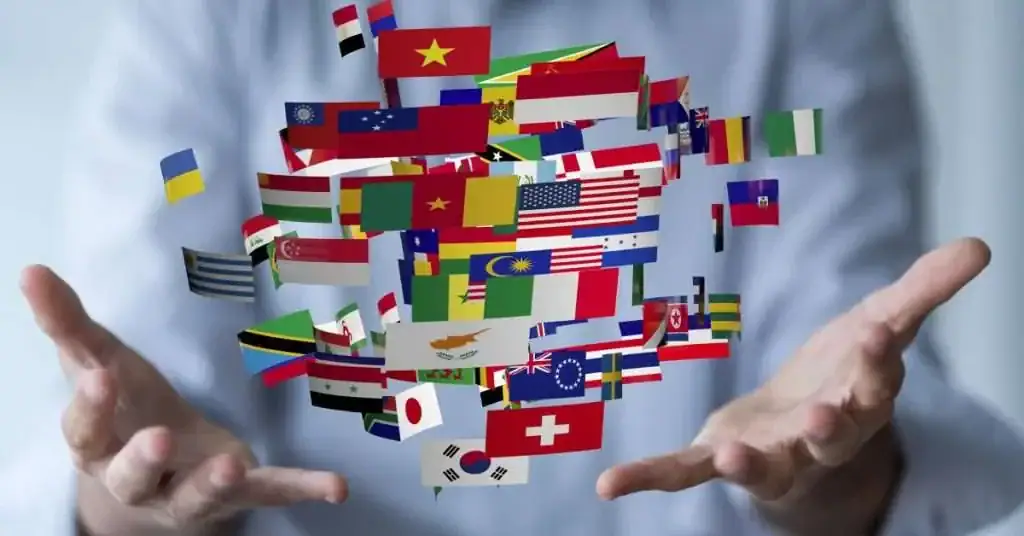
In today’s interconnected global marketplace, effective communication across language barriers is essential for business success. Whether you’re expanding internationally, localizing software, or translating legal documents, choosing the right translation company can make or break your project. This comprehensive guide examines the best 15 translation companies in 2025, helping you make an informed decision based on your specific requirements and budget.
What is Translation Companies?
Translation companies are professional service providers that specialize in converting written or spoken content from one language to another while preserving meaning, context, and cultural nuances. These organizations serve as intermediaries between businesses, individuals, and organizations that need to communicate across language barriers in our increasingly globalized world.
Types of Services Offered
Document Translation The most common service involves translating written materials such as contracts, manuals, reports, certificates, and marketing materials. This includes both simple document conversion and complex formatting preservation.
Localization Services Beyond literal translation, localization adapts content for specific cultural contexts, including websites, software applications, and marketing campaigns. This process considers cultural preferences, local regulations, and market-specific requirements.
Interpretation Services Many translation companies provide real-time spoken language interpretation through phone, video, or in-person services. This includes conference interpretation, medical interpretation, and legal proceedings.
Certified Translation For official documents like birth certificates, academic transcripts, and legal papers, companies provide certified translations that meet government and institutional requirements.
Industry Applications
Business and Commerce Translation companies help businesses expand globally by translating contracts, product documentation, marketing materials, and compliance documents. They enable companies to communicate effectively with international partners, customers, and regulatory bodies.
Legal Services Law firms and legal departments rely on translation companies for court documents, depositions, contracts, and international legal proceedings. Accuracy is critical as mistranslations can have significant legal consequences.
Healthcare and Medical Medical translation companies specialize in translating patient records, clinical trial documentation, pharmaceutical information, and medical device instructions. They ensure healthcare providers can serve diverse populations safely.
Technology and Software Tech companies use translation services for software localization, user interface translation, technical documentation, and app store optimization to reach global markets.
Government and Public Services Government agencies require translation services for immigration documents, public information, international relations, and serving multilingual populations.
Organizational Structure
Human Resources Translation companies employ various professionals including project managers, quality assurance specialists, desktop publishers, and administrative staff. They work with networks of freelance translators, often numbering in the thousands for larger companies.
Technology Infrastructure Modern translation companies invest heavily in technology platforms including translation memory systems, computer-assisted translation (CAT) tools, project management software, and increasingly, artificial intelligence integration.
Quality Assurance Systems Professional translation companies implement multi-stage quality control processes including initial translation, editing, proofreading, and final review. Many maintain ISO certifications to demonstrate adherence to international quality standards.
Business Models
Full-Service Providers Large companies like TransPerfect and Lionbridge offer comprehensive services including translation, localization, interpretation, and consulting across multiple industries and hundreds of languages.
Specialized Providers Some companies focus on specific industries (medical, legal, technical) or services (software localization, certified translation) to develop deep expertise in niche markets.
Technology-Focused Companies Newer providers emphasize technology integration, offering AI-powered translation platforms, automated workflows, and self-service portals for clients.
Quality Standards and Professional Framework
Industry Certifications Professional translation companies often hold certifications such as ISO 17100 (Translation Services), ISO 9001 (Quality Management), and ISO 27001 (Information Security Management).
Professional Associations Many companies belong to industry associations like the American Translators Association (ATA), International Association of Conference Interpreters (AIIC), or Globalization and Localization Association (GALA).
Translator Qualifications Reputable companies work with qualified translators who typically hold relevant degrees, professional certifications, and specialized training in their fields of expertise.
Technology Integration
Computer-Assisted Translation (CAT) Translation companies use CAT tools to improve consistency, efficiency, and quality. These tools include translation memory systems that store previously translated segments for reuse.
Machine Translation Integration Many companies now integrate machine translation with human post-editing to improve efficiency while maintaining quality for appropriate content types.
Project Management Platforms Modern translation companies provide clients with online platforms for project submission, tracking, communication, and file delivery.
Challenges and Considerations
Quality vs. Speed vs. Cost Translation companies must balance competing demands for fast delivery, low costs, and high quality. Different projects require different priority balancing.
Cultural Sensitivity Beyond linguistic accuracy, companies must ensure cultural appropriateness, considering local customs, values, and communication styles.
Confidentiality and Security Handling sensitive client documents requires robust security measures, confidentiality agreements, and secure data handling procedures.
Best 15 Translation Companies in 2026
In this article you can find out the best 15 Translation Companies list below;
1. TransPerfect
TransPerfect stands as one of the world’s largest translation companies, serving over 5,000 clients across diverse industries. With headquarters in New York and offices in 100+ cities worldwide, TransPerfect has established itself as a leader in the translation industry through its comprehensive service offerings and advanced technology solutions.
The company specializes in translation, localization, interpretation, and global marketing services, supporting over 200 languages. Their client base includes Fortune 500 companies, government agencies, and organizations requiring high-volume, complex translation projects. TransPerfect’s strength lies in its ability to handle large-scale projects while maintaining quality standards through their proprietary translation management systems.
TransPerfect’s technology-driven approach combines human expertise with AI-powered tools to deliver consistent results. Their GlobalLink platform streamlines the translation process, offering real-time project tracking, automated workflow management, and quality assurance protocols. The company maintains ISO 17100 and ISO 9001 certifications, ensuring adherence to international quality standards.
Key Features:
- 200+ supported languages
- Proprietary GlobalLink translation management platform
- 24/7 customer support
- Industry-specific expertise (legal, medical, financial, technical)
- AI-powered translation tools
- Real-time project tracking
Pros:
- Extensive global presence and scalability
- Advanced technology integration
- Comprehensive service portfolio
- Strong quality assurance processes
- Experienced project management teams
Cons:
- Premium pricing structure
- May be overwhelming for small businesses
- Complex onboarding process for new clients
2. Lionbridge
Lionbridge Technologies has been a prominent player in the translation and localization industry for over two decades. Based in Waltham, Massachusetts, the company serves enterprise clients across technology, gaming, life sciences, and e-commerce sectors. Lionbridge excels in combining human expertise with cutting-edge AI technology to deliver scalable language solutions.
The company’s core strengths include digital content translation, software localization, and multimedia services. Lionbridge’s Smart Content platform leverages machine learning algorithms to optimize translation workflows and improve consistency across projects. Their extensive network of over 500,000 linguists worldwide enables them to handle projects in 350+ language combinations.
Lionbridge’s approach focuses on cultural adaptation rather than mere translation, ensuring content resonates with target audiences in different markets. Their industry-specific teams understand sector requirements, regulatory compliance needs, and cultural nuances essential for successful global expansion.
Key Features:
- 350+ language combinations
- Smart Content AI-powered platform
- Multimedia localization capabilities
- Gaming and software specialization
- Cultural consultation services
- Enterprise-grade security protocols
Pros:
- Strong technology and gaming expertise
- Advanced AI integration
- Comprehensive multimedia services
- Global linguist network
- Cultural adaptation focus
Cons:
- Higher costs for small projects
- Complex pricing structure
- Limited focus on certain niche industries
3. LanguageLine Solutions
LanguageLine Solutions pioneered the language services industry in 1982 and continues to lead in telephone interpretation and translation services. Headquartered in Monterey, California, the company serves over 25,000 clients, including healthcare systems, government agencies, and financial institutions requiring immediate language access.
The company’s flagship service is on-demand phone interpretation, available 24/7 in over 240 languages. LanguageLine has expanded its offerings to include video remote interpreting, document translation, and localization services. Their InSight platform provides real-time reporting and analytics, helping clients track usage patterns and optimize language service utilization.
LanguageLine’s strength lies in its ability to provide immediate language support for critical situations. Their interpretation services are particularly valuable in healthcare, legal, and emergency response scenarios where accurate communication can be life-saving. The company maintains strict quality standards through continuous interpreter training and assessment programs.
Key Features:
- 24/7 phone interpretation in 240+ languages
- Video remote interpreting capabilities
- InSight analytics platform
- Healthcare and legal specialization
- Immediate language access
- Certified interpreter network
Pros:
- Industry-leading interpretation services
- Immediate availability
- Strong healthcare and legal expertise
- Comprehensive reporting tools
- Reliable emergency language support
Cons:
- Limited written translation services
- Higher per-minute interpretation costs
- Less suitable for long-term localization projects
4. Translation AZ
Translation AZ has established itself as a reliable provider of professional translation services, focusing on accuracy and cultural sensitivity. The company serves businesses, legal firms, and individuals requiring certified translations for official purposes. Translation AZ’s approach emphasizes quality over quantity, working with a select network of experienced translators.
The company specializes in legal, medical, technical, and business translations, offering both standard and rush delivery options. Translation AZ’s quality assurance process includes multiple review stages, ensuring accuracy and consistency across all deliverables. They maintain strong relationships with government agencies and educational institutions requiring certified translation services.
Translation AZ’s competitive advantage lies in its personalized service approach and attention to detail. Unlike larger competitors, they provide direct access to project managers and translators, enabling clear communication throughout the translation process. Their pricing structure is transparent, with no hidden fees or surprise charges.
Key Features:
- Certified translation services
- Legal and medical specialization
- Multiple quality review stages
- Rush delivery options
- Direct translator communication
- Transparent pricing model
Pros:
- High-quality certified translations
- Personalized customer service
- Competitive pricing
- Quick turnaround times
- Strong attention to detail
Cons:
- Limited language coverage compared to larger competitors
- Smaller scale operations
- Less technology integration
5. Keywords Studios
Keywords Studios operates as a leading provider of technical and creative services to the global video games industry. Based in Dublin, Ireland, the company offers specialized translation and localization services for gaming content, including dialogue, user interfaces, and marketing materials. Keywords Studios has grown through strategic acquisitions, building expertise across multiple gaming-related disciplines.
The company’s localization services extend beyond simple translation to include cultural adaptation, voice-over production, and quality assurance testing. Their teams understand gaming terminology, platform-specific requirements, and cultural preferences that influence player engagement. Keywords Studios works with major gaming publishers and independent developers worldwide.
Keywords Studios’ unique position in the gaming industry provides deep insights into player behavior and preferences across different markets. Their localization process considers not just language differences but also cultural sensitivities, regulatory requirements, and technical constraints specific to gaming platforms.
Key Features:
- Gaming industry specialization
- Voice-over and audio localization
- Cultural adaptation services
- Platform-specific expertise
- Quality assurance testing
- Creative content localization
Pros:
- Deep gaming industry expertise
- Comprehensive creative services
- Strong technical capabilities
- Cultural sensitivity awareness
- Established publisher relationships
Cons:
- Limited application outside gaming industry
- Higher costs for non-gaming projects
- Specialized focus may not suit general business needs
6. Multilingual Connections
Multilingual Connections provides professional translation and interpretation services with a focus on customer service excellence. The company serves diverse industries including healthcare, legal, education, and business sectors. Their approach emphasizes building long-term partnerships with clients through consistent quality delivery and responsive support.
The company offers document translation, website localization, and interpretation services in over 100 languages. Multilingual Connections’ strength lies in its ability to provide personalized service while maintaining professional standards. They work with certified translators and interpreters who undergo regular training and assessment.
Multilingual Connections differentiates itself through its commitment to customer satisfaction and flexible service delivery. They accommodate urgent requests, provide free quotes, and offer revision services to ensure client satisfaction. The company’s project management approach ensures clear communication and timely delivery.
Key Features:
- 100+ language support
- Personalized project management
- Certified translator network
- Healthcare and legal focus
- Flexible delivery options
- Free revision services
Pros:
- Excellent customer service
- Competitive pricing
- Quick response times
- Flexible service options
- Strong quality standards
Cons:
- Smaller global presence
- Limited technology solutions
- Less suitable for very large enterprises
7. RWS Group Limited
RWS Group Limited stands as one of the world’s leading translation and localization companies, serving clients across technology, legal, pharmaceutical, and financial services sectors. Based in the United Kingdom, RWS has grown through strategic acquisitions, building a comprehensive portfolio of language services and technology solutions.
The company’s flagship offering is its Trados translation productivity tools, widely used by translators and translation agencies worldwide. RWS combines proprietary technology with human expertise to deliver consistent, high-quality translations at scale. Their enterprise solutions include translation management systems, content management platforms, and workflow automation tools.
RWS’s strength lies in its technology-first approach to translation services. Their platforms enable seamless collaboration between translators, reviewers, and project managers while maintaining translation memories and terminology databases. The company serves large enterprises requiring consistent brand messaging across global markets.
Key Features:
- Trados translation software suite
- Enterprise translation management
- Technology and life sciences expertise
- Automated workflow solutions
- Translation memory systems
- Brand consistency tools
Pros:
- Industry-leading technology solutions
- Strong pharmaceutical and legal expertise
- Comprehensive enterprise services
- Global scalability
- Established market reputation
Cons:
- Complex implementation process
- Higher costs for small businesses
- Technology-heavy approach may not suit all clients
8. Transcend Translation
Transcend Translation focuses on providing professional translation services with an emphasis on accuracy and cultural appropriateness. The company serves businesses, government agencies, and individuals requiring high-quality translation services across multiple industries. Transcend’s approach combines linguistic expertise with cultural understanding to deliver effective communication solutions.
The company offers document translation, website localization, interpretation services, and desktop publishing in numerous language pairs. Transcend Translation’s team includes native speakers with subject matter expertise in technical, legal, medical, and business fields. Their quality assurance process ensures accuracy and consistency across all projects.
Transcend Translation’s competitive advantage lies in its balance of professional service delivery and competitive pricing. They provide detailed project consultation, helping clients understand requirements and choose appropriate service levels. The company’s transparent communication keeps clients informed throughout the translation process.
Key Features:
- Multi-industry expertise
- Native speaker translators
- Desktop publishing services
- Quality assurance protocols
- Competitive pricing structure
- Detailed project consultation
Pros:
- Strong quality standards
- Competitive pricing
- Professional project management
- Multi-industry experience
- Clear communication processes
Cons:
- Limited advanced technology integration
- Smaller scale compared to major competitors
- Regional focus may limit global reach
9. Welocalize
Welocalize operates as a global translation and localization company serving technology, life sciences, manufacturing, and e-commerce industries. Based in Maryland, USA, the company combines human expertise with advanced technology platforms to deliver scalable language solutions. Welocalize’s approach focuses on helping companies expand globally through effective localization strategies.
The company’s core services include translation, localization, interpretation, and global content management. Welocalize’s GlobalLink platform provides comprehensive project management capabilities, enabling clients to streamline their localization workflows. Their network of over 10,000 linguists worldwide supports projects in 200+ languages.
Welocalize’s strength lies in its technology-enabled service delivery model. Their platforms integrate with popular content management systems, enabling automated translation workflows and real-time collaboration. The company’s industry-specific teams understand regulatory requirements and cultural considerations essential for successful global expansion.
Key Features:
- GlobalLink localization platform
- 200+ language support
- Technology integration capabilities
- Industry-specific expertise
- Automated workflow solutions
- Real-time collaboration tools
Pros:
- Advanced technology integration
- Comprehensive platform solutions
- Strong project management
- Global linguist network
- Industry specialization
Cons:
- Complex platform learning curve
- Higher implementation costs
- May be overwhelming for simple projects
10. Acolad Group
Acolad Group represents one of Europe’s largest independent localization companies, formed through strategic acquisitions and organic growth. Based in France, the company serves enterprise clients across technology, automotive, life sciences, and legal sectors. Acolad’s approach combines local market expertise with global delivery capabilities.
The company offers comprehensive localization services including translation, cultural adaptation, multimedia production, and testing services. Acolad’s strength lies in its deep understanding of European markets and regulatory requirements. Their teams include native speakers with specialized industry knowledge and technical expertise.
Acolad Group’s competitive advantage comes from its extensive European presence and cultural expertise. They understand regional preferences, regulatory compliance requirements, and business practices that influence successful market entry. The company’s technology platforms support complex, multi-language projects while maintaining quality standards.
Key Features:
- Strong European market presence
- Multi-industry specialization
- Cultural adaptation expertise
- Regulatory compliance knowledge
- Multimedia production capabilities
- Technology platform integration
Pros:
- Deep European market expertise
- Comprehensive service portfolio
- Strong cultural understanding
- Regulatory compliance focus
- Local market knowledge
Cons:
- Limited presence outside Europe
- Higher costs for non-European projects
- Complex organizational structure
11. Translate Plus
Translate Plus provides professional translation and localization services with a focus on technology and business sectors. The company serves small to medium enterprises requiring high-quality translation services at competitive prices. Translate Plus’s approach emphasizes efficiency, accuracy, and customer satisfaction through streamlined processes and responsive support.
The company offers document translation, website localization, software translation, and interpretation services in major global languages. Translate Plus’s team includes experienced translators with technical and business expertise. Their quality management system ensures consistency and accuracy across all deliverables.
Translate Plus differentiates itself through its focus on small to medium businesses that need professional translation services without enterprise-level complexity. They provide straightforward pricing, clear timelines, and direct communication with project teams. The company’s efficient processes enable competitive pricing without compromising quality.
Key Features:
- SME-focused service delivery
- Technology and business specialization
- Streamlined project processes
- Competitive pricing model
- Direct team communication
- Quality management systems
Pros:
- SME-friendly approach
- Competitive pricing
- Efficient processes
- Clear communication
- Quality focus
Cons:
- Limited capacity for large projects
- Fewer advanced technology features
- Smaller global presence
12. Alconost Inc.
Alconost Inc. specializes in software localization and translation services for technology companies, mobile app developers, and software publishers. Founded in 2004, the company has built extensive expertise in translating technical content, user interfaces, and marketing materials for software products. Alconost’s approach combines technical understanding with linguistic expertise.
The company offers app store optimization, software testing, voice-over services, and technical writing alongside traditional translation services. Alconost’s team includes translators with software development backgrounds who understand technical terminology and user experience considerations. Their processes accommodate agile development cycles and frequent content updates.
Alconost’s competitive advantage lies in its deep technical expertise and understanding of software development processes. They work closely with development teams to ensure translations maintain functionality and user experience quality. The company’s specialized focus enables them to deliver high-quality results for technology clients.
Key Features:
- Software localization specialization
- App store optimization services
- Technical translator network
- Agile development integration
- Voice-over production
- Technical writing services
Pros:
- Strong technical expertise
- Software development understanding
- Agile process integration
- Comprehensive tech services
- Industry specialization
Cons:
- Limited application outside technology sector
- Smaller scale operations
- Focused service range
13. Certified Translation
Certified Translation specializes in providing certified and notarized translation services for legal, academic, and official purposes. The company serves individuals, law firms, and organizations requiring translations that meet government and institutional requirements. Their focus on accuracy and legal compliance makes them a preferred choice for critical document translation.
The company offers immigration document translation, academic transcript translation, legal document translation, and business translation services. Certified Translation’s team includes sworn translators authorized to provide certified translations in multiple jurisdictions. Their quality assurance processes ensure compliance with legal and regulatory requirements.
Certified Translation’s strength lies in its expertise in legal and regulatory requirements across different jurisdictions. They understand formatting requirements, certification procedures, and acceptance criteria for various government agencies and institutions. The company’s track record of successful submissions builds client confidence in their services.
Key Features:
- Certified translation specialization
- Legal compliance expertise
- Sworn translator network
- Government acceptance guarantee
- Multiple jurisdiction knowledge
- Academic credential translation
Pros:
- Legal compliance expertise
- Certified translator network
- Government acceptance
- Specialized knowledge
- Quality assurance focus
Cons:
- Limited general business translation
- Higher costs for certified services
- Specialized service focus
14. GTE Localize
GTE Localize provides comprehensive localization services for businesses expanding into global markets. The company focuses on helping technology companies, e-commerce businesses, and digital platforms adapt their content for international audiences. GTE Localize’s approach emphasizes cultural sensitivity and market-specific adaptation.
The company offers website localization, mobile app translation, e-commerce platform localization, and digital marketing translation services. GTE Localize’s team includes native speakers with cultural expertise and technical skills necessary for digital content adaptation. Their processes consider SEO requirements, cultural preferences, and technical constraints.
GTE Localize’s competitive advantage comes from its focus on digital businesses and understanding of online market dynamics. They help clients adapt not just language but also cultural references, images, and functionality for target markets. The company’s data-driven approach provides insights into localization effectiveness and market performance.
Key Features:
- Digital platform specialization
- E-commerce localization expertise
- Cultural adaptation focus
- SEO-optimized translations
- Market performance analytics
- Technical content expertise
Pros:
- Digital business focus
- Cultural adaptation expertise
- SEO optimization
- Market insights
- Technical capabilities
Cons:
- Limited traditional business services
- Newer market presence
- Specialized service range
15. Mars Translation
Mars Translation provides professional translation services with a focus on business, legal, and technical sectors. The company serves diverse clients requiring accurate translations for international business, legal proceedings, and technical documentation. Mars Translation’s approach emphasizes quality, confidentiality, and timely delivery.
The company offers document translation, certified translation, interpretation services, and proofreading across multiple language pairs. Mars Translation’s team includes experienced translators with specialized knowledge in various industries. Their quality management system ensures consistency and accuracy through multiple review stages.
Mars Translation differentiates itself through its commitment to personalized service and competitive pricing. They provide detailed project consultation, helping clients understand requirements and choose appropriate service levels. The company’s flexible approach accommodates various project sizes and urgency levels.
Key Features:
- Multi-industry expertise
- Certified translation services
- Personalized project consultation
- Competitive pricing structure
- Quality management system
- Flexible service delivery
Pros:
- Personalized service approach
- Competitive pricing
- Multi-industry experience
- Quality focus
- Flexible delivery options
Cons:
- Limited advanced technology features
- Smaller global presence
- Regional service focus
How do you choose a Translation Companies?
Choosing the right translation company is a critical decision that can significantly impact your project’s success and your organization’s global communication efforts. Here’s a comprehensive guide to help you make an informed choice:
1. Define Your Project Requirements
Scope and Volume Start by clearly defining what you need translated. Consider the volume of content, frequency of projects, and whether you need ongoing services or one-time translations. Large enterprises with continuous translation needs require different providers than businesses with occasional document translation requirements.
Content Type and Complexity Different translation companies excel in different content types. Technical manuals require specialized knowledge, while marketing materials need cultural adaptation skills. Legal documents demand certified translators, and software localization needs technical expertise.
Language Pairs Ensure the company supports your required language combinations. Some providers excel in major European languages but may be weak in Asian or African languages. Verify they have native speakers for your target languages.
2. Assess Industry Expertise
Specialized Knowledge Look for companies with proven experience in your industry. Medical translations require understanding of pharmaceutical terminology, while financial translations need knowledge of regulatory requirements. Gaming localization demands cultural sensitivity and technical gaming expertise.
Compliance Requirements If you’re in regulated industries like healthcare, legal, or financial services, ensure the translation company understands compliance requirements such as HIPAA, GDPR, or FDA regulations.
3. Evaluate Quality Standards
Certification and Standards Check for certifications like ISO 17100 (Translation Services Standard) or ISO 9001 (Quality Management). These certifications indicate the company follows established quality processes.
Quality Assurance Process Ask about their quality control procedures. Professional companies typically use multiple review stages, including translation, editing, proofreading, and final quality checks. Understanding their revision policy is also important.
Translator Qualifications Inquire about translator credentials, including education, certifications, and experience. Native speakers with subject matter expertise produce higher quality translations than generalist translators.
4. Technology and Tools
Translation Memory Systems Companies using translation memory (TM) systems can provide consistency across projects and cost savings on repetitive content. This is particularly valuable for technical documentation and ongoing projects.
Project Management Platforms Modern translation companies offer online platforms for project tracking, file sharing, and real-time communication. These tools improve transparency and efficiency.
AI and Machine Translation Integration Leading companies combine human expertise with AI tools to improve efficiency while maintaining quality. However, ensure human oversight remains central to the process.
5. Pricing and Value Considerations
Pricing Transparency Reputable companies provide clear, detailed quotes without hidden fees. Understand their pricing model – whether they charge per word, page, hour, or project. Be wary of significantly low prices, as they often indicate quality compromises.
Value Beyond Price Consider the total value proposition, including quality, turnaround time, customer service, and additional services like desktop publishing or cultural consultation.
Rush Order Policies Understand costs and feasibility for urgent projects. Some companies excel at fast turnarounds while maintaining quality, while others may compromise quality for speed.
6. Communication and Customer Service
Responsiveness Test their responsiveness during the selection process. Companies that are slow to respond to inquiries may provide poor service during your project.
Project Management Ask about dedicated project managers and communication protocols. You should have clear contact points and regular project updates.
Time Zone Compatibility For urgent projects or ongoing relationships, consider time zone alignment for better communication and faster response times.
7. Security and Confidentiality
Data Protection Ensure the company has robust security measures, especially for confidential documents. Ask about their data handling procedures, storage security, and staff confidentiality agreements.
Compliance with Regulations If handling sensitive data, verify compliance with relevant regulations like GDPR, CCPA, or industry-specific requirements.
8. Track Record and References
Portfolio and Case Studies Review their portfolio and ask for case studies similar to your project. This demonstrates their capability and approach to similar challenges.
Client References Request references from current clients, particularly those with similar requirements. Contact these references to understand their experience with service quality, reliability, and problem resolution.
Online Reviews and Reputation Research online reviews and industry recognition. Look for consistent positive feedback and any red flags in negative reviews.
9. Scalability and Flexibility
Growth Accommodation If you anticipate growing translation needs, ensure the company can scale their services accordingly. This includes handling increased volume and additional language pairs.
Service Flexibility Look for companies that can adapt to changing requirements, urgent deadlines, and special requests. Rigid providers may not suit dynamic business environments.
10. Trial Projects and Testing
Start Small Begin with a small, non-critical project to evaluate their service quality, communication, and reliability before committing to larger projects.
Sample Translations Request sample translations for evaluation. This helps assess their understanding of your content and quality standards.
Red Flags to Avoid
- Extremely low pricing without clear explanation
- Poor communication or delayed responses
- Lack of qualified translator information
- No quality assurance processes
- Inability to provide references
- Unclear contract terms or hidden fees
- No data security measures
- Promises of unrealistic turnaround times
Making the Final Decision
Create a scoring matrix weighing factors most important to your needs:
High Priority Factors (Weight: 30-40%)
- Quality standards and processes
- Industry expertise
- Pricing and value
Medium Priority Factors (Weight: 20-30%)
- Technology capabilities
- Customer service
- Security measures
Lower Priority Factors (Weight: 10-20%)
- Company size
- Geographic location
- Additional services
Remember that the best translation company for your needs may not be the largest or most expensive. Focus on finding the right fit for your specific requirements, budget, and long-term goals.
The key is thorough research, clear communication of your needs, and starting with smaller projects to build confidence before committing to larger engagements. A well-chosen translation partner becomes an invaluable asset for your global communication and expansion efforts.
Conclusion
Selecting the right translation company in 2025 requires careful consideration of your specific needs, budget constraints, and project requirements. The best translation companies combine human expertise with advanced technology to deliver accurate, culturally appropriate translations that enable successful global communication.
Large enterprises with complex, multi-language requirements benefit from comprehensive service providers like TransPerfect, Lionbridge, and RWS Group, which offer advanced technology platforms and global scalability. These companies excel in handling large-volume projects while maintaining quality standards through sophisticated project management systems.
Medium-sized businesses seeking specialized expertise should consider companies like Keywords Studios for gaming content, Alconost for software localization, or Certified Translation for legal documents. These providers offer deep industry knowledge and tailored solutions for specific market segments.
Small businesses and individuals requiring straightforward translation services can benefit from providers like Translation AZ, Multilingual Connections, or Mars Translation, which offer competitive pricing and personalized service without unnecessary complexity.
Technology integration has become a crucial differentiator among translation companies in 2025. Leading providers leverage AI-powered tools, translation memory systems, and automated workflows to improve efficiency and consistency. However, the human element remains essential for cultural adaptation, context understanding, and quality assurance.
When evaluating translation companies, consider factors such as language coverage, industry expertise, technology capabilities, quality assurance processes, pricing transparency, and customer support responsiveness. Request samples, check references, and start with smaller projects to assess service quality before committing to large-scale engagements.