
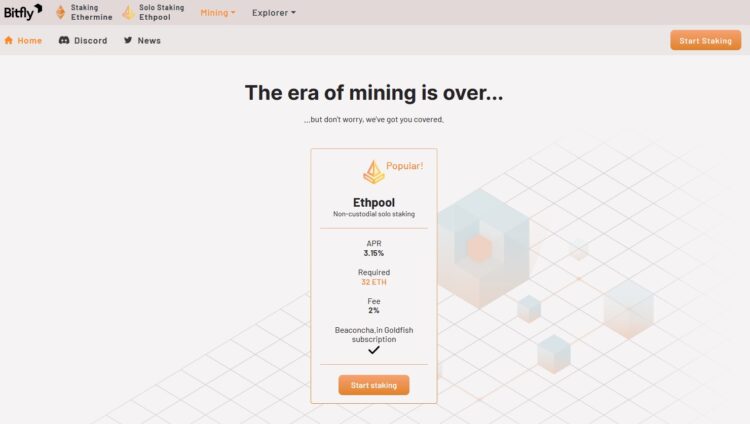
Ethermine represents one of the most established and trusted mining pools in the cryptocurrency ecosystem. Originally launched as a dedicated Ethereum mining platform, Ethermine has evolved into a comprehensive multi-currency mining solution that serves thousands of miners worldwide. The platform operates under the umbrella of Bitfly, a company renowned for its expertise in blockchain infrastructure and mining technologies.
The mining pool functions as a collaborative platform where individual miners combine their computational resources to increase their chances of successfully mining cryptocurrency blocks. Rather than competing against each other, miners contribute their hash power to the collective pool, sharing rewards proportionally based on their contributions. This approach significantly reduces the variance in earnings compared to solo mining, providing more predictable and stable income streams for participants.
Ethermine’s infrastructure spans multiple continents, with strategically positioned servers across Europe, Asia, and North America. This global presence ensures optimal connectivity and reduced latency for miners regardless of their geographical location. The platform’s commitment to decentralization and network security has made it a preferred choice among both hobbyist miners and large-scale mining operations.
The pool supports various proof-of-work cryptocurrencies beyond Ethereum, including Ethereum Classic, Zcash, Beam, Ravencoin, and Ergo. This diversification allows miners to adapt to market conditions and switch between different cryptocurrencies based on profitability calculations. Ethermine’s user-friendly interface requires no account registration, enabling miners to connect their rigs and start mining within minutes of setup.
Core Features of Ethermine
Ethermine’s feature set distinguishes it from competitors through its focus on reliability, transparency, and user experience. The platform implements a Pay-Per-Last-N-Shares (PPLNS) reward distribution system, which ensures fair compensation based on actual mining contributions. This system reduces the risk of pool hopping and maintains consistent rewards for dedicated miners.
The pool’s infrastructure includes robust DDoS protection and redundant server architecture, ensuring maximum uptime and uninterrupted mining operations. Miners benefit from real-time statistics and comprehensive dashboards that provide detailed insights into their mining performance, including hash rate monitoring, share submission tracking, and earnings calculations. The platform offers customizable payout thresholds, allowing miners to optimize transaction fees and receive payments according to their preferences.
One of Ethermine’s standout features is its transparent fee structure and comprehensive transaction handling. The pool charges a competitive 1% fee on mining rewards, which is among the lowest in the industry. Additionally, all blockchain transaction fees associated with reward payouts are absorbed by the pool, meaning miners receive their full calculated earnings without additional deductions.
The platform provides extensive API access, enabling third-party applications and monitoring tools to integrate seamlessly with Ethermine’s infrastructure. This feature appeals to professional mining operations that require automated monitoring and management systems. Mobile applications and web-based monitoring tools ensure miners can track their operations from anywhere in the world.
Ethermine also offers advanced features such as configurable worker naming, email notifications for offline miners, and detailed statistical analysis tools. The platform’s commitment to innovation includes regular updates and improvements based on community feedback and technological advancements in the mining industry.
Pricing Structure and Fees
Ethermine’s pricing model reflects industry standards while providing competitive advantages through transparent fee structures and additional value-added services. The primary mining fee stands at 1% of total rewards, which covers pool operation costs, server maintenance, and infrastructure development. This fee structure applies uniformly across all supported cryptocurrencies, ensuring consistency for miners operating across multiple chains.
Unlike many competing pools, Ethermine absorbs all blockchain transaction fees related to reward payouts, regardless of the payout amount. This policy particularly benefits smaller miners who might otherwise face disproportionately high transaction costs relative to their earnings. The pool’s approach to fee transparency means miners can accurately calculate their net earnings without worrying about hidden charges or variable transaction costs.
The platform implements flexible payout threshold settings, with minimum payout thresholds starting from 0.05 ETH for Ethereum. Miners can adjust these thresholds based on their preferences, balancing between frequent small payments and less frequent larger payments. Higher thresholds reduce the frequency of blockchain transactions, while lower thresholds provide more immediate access to earnings.
For Ethereum Classic, Zcash, and other supported cryptocurrencies, Ethermine maintains proportionally appropriate minimum payout thresholds that reflect each currency’s value and transaction costs. The pool’s dynamic adjustment of these thresholds ensures optimal balance between accessibility and cost efficiency across different market conditions.
Ethermine’s staking services, where available, operate under separate fee structures that reflect the different risk profiles and operational requirements of proof-of-stake networks. These services typically involve lower fees than traditional mining operations while providing passive income opportunities for cryptocurrency holders.
Technical Details and Infrastructure
Ethermine’s technical infrastructure represents cutting-edge mining pool technology designed for scalability, reliability, and performance optimization. The platform maintains high-performance server clusters strategically distributed across Europe, Asia, and North America, ensuring optimal connectivity and minimal latency for miners worldwide. This geographical distribution also provides redundancy and load balancing capabilities that maintain service availability during regional network issues.
The pool’s architecture supports multiple mining protocols, including Stratum over TCP and secure SSL connections. This flexibility accommodates various mining software preferences while maintaining compatibility with both modern and legacy mining equipment. Ethermine’s servers operate on enterprise-grade hardware with redundant network connections and automatic failover systems that minimize downtime and ensure continuous mining operations.
Load balancing algorithms distribute incoming mining connections across available servers, preventing congestion and maintaining optimal performance even during peak usage periods. The platform’s monitoring systems continuously track server performance, network latency, and connection stability, automatically routing miners to the best-performing endpoints based on real-time conditions.
Ethermine implements sophisticated share validation and reward calculation systems that process thousands of share submissions per second while maintaining accuracy and fairness. The platform’s database infrastructure stores comprehensive mining statistics and historical data, enabling detailed performance analysis and transparent reward tracking. Advanced caching mechanisms ensure rapid data retrieval and responsive user interfaces even under heavy load conditions.
Security measures include DDoS protection, intrusion detection systems, and regular security audits to protect against various attack vectors. The platform’s infrastructure follows industry best practices for data protection and privacy, ensuring miner information remains secure while providing necessary transparency for pool operations.
Key Benefits of Using Ethermine
Ethermine offers compelling advantages that attract both novice and experienced miners seeking reliable and profitable mining experiences. The pool’s established reputation and long operational history provide confidence in its stability and commitment to the mining community. This track record includes consistent payouts, transparent operations, and responsive customer support that builds trust among participants.
The platform’s multi-currency support enables miners to diversify their operations and adapt to changing market conditions without switching pools. This flexibility proves particularly valuable during periods of network upgrades, difficulty adjustments, or cryptocurrency price volatility. Miners can optimize their profitability by selecting the most favorable cryptocurrencies while maintaining familiarity with Ethermine’s interface and procedures.
No account registration requirements streamline the onboarding process, allowing miners to begin operations immediately without lengthy verification procedures. This approach appeals to privacy-conscious miners and simplifies the setup process for newcomers to cryptocurrency mining. The straightforward connection process reduces barriers to entry while maintaining operational security.
Ethermine’s comprehensive statistics and monitoring tools provide valuable insights that help miners optimize their operations. Real-time hash rate monitoring, share submission tracking, and profitability calculations enable data-driven decision-making regarding hardware configurations, mining strategies, and operational timing. These analytics tools prove especially valuable for large-scale mining operations managing multiple rigs and worker configurations.
The pool’s global server infrastructure ensures stable connections and optimal mining performance regardless of geographical location. Regional server proximity reduces network latency, which can significantly impact mining efficiency and earnings over time. This global presence also provides redundancy and reliability that supports continuous mining operations.
Pros and Cons Analysis
Pros
Ethermine’s competitive fee structure stands among its most significant advantages, with the 1% mining fee representing one of the lowest rates in the industry. The pool’s policy of covering all blockchain transaction fees provides additional value, particularly for miners with moderate hash rates who might otherwise face proportionally high withdrawal costs. This fee transparency and predictable cost structure enable accurate profitability calculations and financial planning.
The platform’s technical reliability and uptime performance exceed industry standards, with redundant infrastructure and proactive monitoring systems minimizing service disruptions. Miners benefit from consistent connectivity and stable mining operations that maximize earning potential. The pool’s established reputation and operational history provide confidence in its long-term viability and commitment to serving the mining community.
Ethermine’s comprehensive feature set includes advanced monitoring tools, flexible payout options, and extensive API access that appeal to both casual and professional miners. The user-friendly interface requires minimal technical expertise while providing deep insights and customization options for advanced users. Multi-currency support enables strategic mining decisions and operational flexibility as market conditions change.
Cons
Despite its strengths, Ethermine faces certain limitations that potential users should consider. The pool’s large size and popularity can result in increased competition and potentially reduced individual miner influence on pool decisions. Some miners prefer smaller pools where their contributions have greater proportional impact on overall pool performance and decision-making processes.
The PPLNS reward system, while fair and transparent, can create earnings variance that some miners find less predictable than alternative systems like PPS (Pay-Per-Share). This variance particularly affects miners with inconsistent hash rates or those who frequently connect and disconnect from the pool. Understanding PPLNS mechanics requires some technical knowledge that might challenge newcomers to mining.
Limited customer support channels and response times may frustrate miners requiring immediate assistance with technical issues or account problems. While the platform’s reliability typically minimizes support needs, complex issues or unusual circumstances can require extended resolution times that impact mining operations.
Best 5 Alternatives and Competitors
1. F2Pool
F2Pool represents one of the largest and most established mining pools globally, supporting over 40 different cryptocurrencies and maintaining significant hash rate distribution across multiple blockchain networks. Founded in 2013, F2Pool has built a reputation for reliability and comprehensive cryptocurrency support that appeals to diversified mining operations. The pool operates with a Pay-Per-Share (PPS) reward system that provides more predictable earnings compared to PPLNS systems, making it attractive to miners seeking consistent income streams.
The platform charges variable fees depending on the cryptocurrency being mined, typically ranging from 1% to 4%, with Bitcoin and Ethereum mining incurring 2.5% fees. F2Pool’s infrastructure spans multiple continents with optimized server locations in China, the United States, Europe, and other regions to ensure global accessibility and minimal latency. The pool offers mobile applications and comprehensive web-based monitoring tools that provide real-time statistics and operational insights.
F2Pool’s technical infrastructure includes advanced security measures, DDoS protection, and redundant server configurations that maintain high uptime rates. The platform supports both beginners and enterprise-level mining operations with scalable solutions and comprehensive documentation. However, higher fees compared to some competitors and complex interface elements may deter cost-sensitive miners or those preferring simplified user experiences.
2. Binance Pool
Binance Pool leverages the extensive infrastructure and resources of the Binance ecosystem, offering integrated mining and trading services within a single platform. The pool’s global presence and institutional focus make it one of the few exchange-backed pools still thriving in 2025. This integration provides unique advantages such as immediate conversion of mining rewards to other cryptocurrencies and seamless access to trading features without external transfers.
The platform supports major cryptocurrencies including Bitcoin, Ethereum, Litecoin, and Bitcoin Cash, with competitive fee structures ranging from 0.5% to 2.5% depending on the specific cryptocurrency and mining method. Binance Pool offers both FPPS and PPS+ reward distribution methods, providing flexibility for different miner preferences and risk tolerances. The pool’s connection to Binance’s trading platform enables advanced features like automatic profit-switching and integrated portfolio management.
Binance Pool’s infrastructure benefits from the exchange’s enterprise-grade security measures and global server network, ensuring reliable connectivity and robust protection against various attack vectors. The platform provides comprehensive analytics, mobile applications, and API access that support both individual miners and large-scale operations. However, the pool’s centralized nature and connection to a major exchange may concern miners prioritizing decentralization and platform independence. Additionally, regulatory restrictions in certain jurisdictions may limit access to Binance Pool services.
3. NiceHash
NiceHash operates under a unique hash power marketplace model that differentiates it from traditional mining pools. Instead of directly mining cryptocurrencies, NiceHash allows users to sell their computing power to buyers who specify which algorithms and cryptocurrencies to mine. This approach provides flexibility and potentially higher profitability as hash power prices fluctuate based on demand and market conditions rather than fixed cryptocurrency mining rewards.
The platform supports numerous mining algorithms and automatically switches between the most profitable options based on real-time market conditions. NiceHash charges a 2% service fee for most algorithms, with additional fees for certain services like internal wallet transfers and external withdrawals. The marketplace model means earnings can vary significantly based on buyer demand, hash power prices, and algorithm profitability, creating both opportunities for increased profits and risks of reduced earnings.
NiceHash provides user-friendly software that automatically detects mining hardware and optimizes settings for maximum profitability. The platform includes built-in benchmarking tools, overclocking capabilities, and comprehensive monitoring features that appeal to both beginners and experienced miners. The integrated wallet system and mobile applications provide convenient access to earnings and operational statistics. However, the platform’s history includes a significant security breach in 2017, although subsequent improvements have enhanced security measures. The marketplace model’s complexity and earnings variability may not suit miners preferring predictable, straightforward mining pool operations.
4. Slush Pool (Braiins Pool)
Slush Pool, now known as Braiins Pool, holds the distinction of being the world’s oldest mining pool, created in 2010. This extensive operational history provides unique insights into mining pool management and has established the platform as a trusted and reliable option for Bitcoin mining specifically. The pool has consistently adapted to Bitcoin network changes and mining industry evolution while maintaining its commitment to decentralization and transparency.
Braiins Pool transitioned from PPLNS to FPPS reward distribution, providing more predictable earnings for miners while maintaining fair compensation structures. The pool charges a 2% fee for Bitcoin mining services, which includes comprehensive technical support and advanced features like Stratum V2 protocol implementation. This next-generation mining protocol improves efficiency, reduces bandwidth usage, and enhances security compared to traditional Stratum implementations.
The platform’s technical innovation extends to firmware development for mining hardware, with Braiins OS providing optimized mining software for popular ASIC miners. This integrated approach ensures maximum compatibility and performance optimization that can increase mining efficiency and profitability. Braiins Pool’s commitment to open-source development and community contribution aligns with Bitcoin’s decentralized principles and attracts miners who value transparency and innovation. However, the pool’s focus primarily on Bitcoin limits diversification opportunities compared to multi-currency alternatives, and the 2% fee rate exceeds some competitors’ pricing structures.
5. ViaBTC
ViaBTC operates as a comprehensive cryptocurrency mining platform supporting Bitcoin, Bitcoin Cash, Ethereum, Litecoin, Dash, Zcash, and other major cryptocurrencies. The pool offers multiple reward distribution methods including PPS, PPLNS, and SOLO mining options, providing flexibility for miners with different risk preferences and operational strategies. ViaBTC’s diverse cryptocurrency support enables miners to adapt quickly to market conditions and optimize profitability across multiple blockchain networks.
The platform charges competitive fees ranging from 1% to 4% depending on the cryptocurrency and reward method selected, with most popular options falling within the 1-2% range. ViaBTC provides additional services including cloud mining contracts, cryptocurrency exchange functionality, and wallet services that create an integrated ecosystem for cryptocurrency operations. The pool’s infrastructure includes servers distributed globally with emphasis on regions with significant mining activity.
ViaBTC’s technical features include comprehensive monitoring tools, mobile applications, and API access that support both individual and enterprise mining operations. The platform’s merger mining capabilities allow simultaneous mining of compatible cryptocurrencies, potentially increasing overall profitability without additional computational costs. Advanced features like automatic profit switching and customizable payout thresholds provide operational flexibility and optimization opportunities. However, the platform’s complexity may overwhelm newcomers to mining, and the wide range of services could distract from core mining pool functionality. Additionally, some advanced features require higher fees or minimum thresholds that may not suit all mining operations.
Conclusion
Ethermine establishes itself as a premier choice in the competitive cryptocurrency mining pool landscape through its combination of technical excellence, transparent operations, and miner-focused features. The platform’s competitive 1% fee structure, comprehensive multi-currency support, and global infrastructure provide compelling advantages for miners seeking reliable and profitable operations. Its established reputation and extensive operational history offer confidence in long-term stability and continued service quality.
The pool’s technical infrastructure, featuring global server distribution, robust security measures, and advanced monitoring capabilities, ensures optimal mining performance across diverse geographical locations and operational scales. Ethermine’s commitment to transparency, evidenced by its comprehensive statistics and fair reward distribution systems, builds trust within the mining community and supports informed decision-making for participants.
While alternatives like F2Pool, Binance Pool, NiceHash, Braiins Pool, and ViaBTC offer distinct advantages and specialized features, Ethermine’s balanced approach to fees, features, and reliability positions it favorably for most mining operations. The platform’s evolution to support ETHERMINE STAKING and maintain relevance in changing cryptocurrency ecosystems demonstrates its commitment to serving the mining community’s evolving needs.
For miners evaluating mining pool options in 2025, Ethermine represents a solid choice that balances cost-effectiveness, reliability, and feature comprehensiveness. Its strengths in infrastructure reliability, fee transparency, and multi-currency support address the core requirements of successful mining operations while providing flexibility for future adaptation to industry changes.